
Contamination Drives Up Collection Costs
When materials end up in the wrong collection cart or drop-off site, it costs the City—both in dollars and damage. Improper recycling and waste disposal lead to higher processing fees and can even break equipment.
For years, the City has encouraged residents to “Recycle Right”—that means only placing approved, clean recyclables in your cart. Unfortunately, many still “wishcycle,” tossing in items they hope are recyclable but aren’t. This includes everything from plastic utensils to garden hoses and even baby diapers.
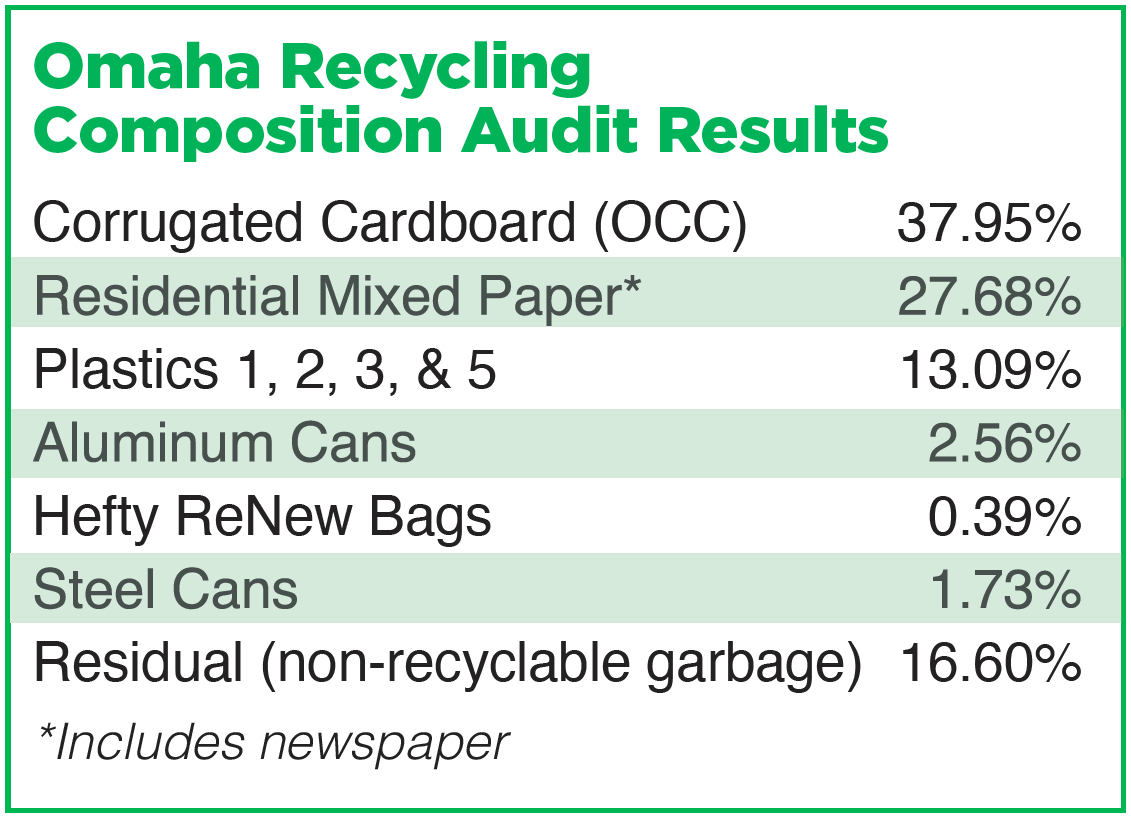 A 2024 analysis showed that more than 16% of the material sent to First Star Recycling, our recycling processor, were non-recyclable. This contamination raises the City’s cost for every ton of recycling. Despite ongoing education, we continue to see items like plastic bags, Christmas lights, rope, and string—known as “tanglers”—which jam sorting equipment and force shutdowns for maintenance. Even worse, electronics and batteries have caused fires during sorting. While First Star Recycling has avoided major damage, other communities have seen entire recycling operations shut down for months due to these preventable fires.
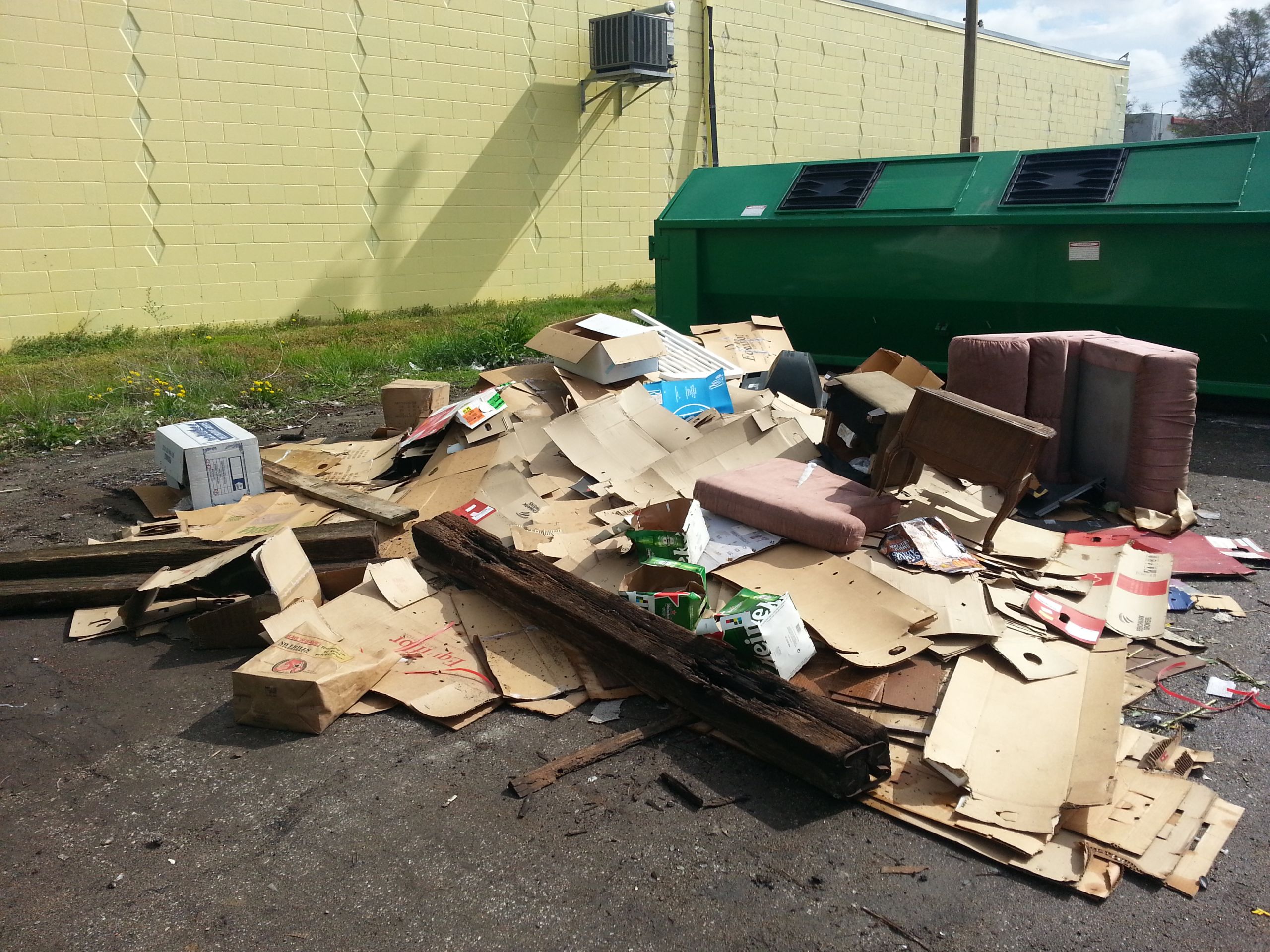
Contamination isn’t limited to curbside recycling. Omaha’s recycling drop-off sites are also abused. When non-recyclable materials—or even valid recyclables—are left outside the containers, it’s not just careless; it’s illegal dumping. This kind of misuse has made it increasingly difficult to find new host locations for drop-off sites, which is why the City has yet to secure a new central site.
Plastic Bags and Other “Tanglers” Disrupt Omaha’s Recycling System
Plastic bags are not accepted in Omaha’s curbside recycling carts or at drop-off sites. While plastic bags are the most common “tangler,” they aren’t the only items that cause problems. Items like Christmas lights, garden hoses, wires, rope, fabric, and even string also get caught in the machinery at Firstar Recycling.
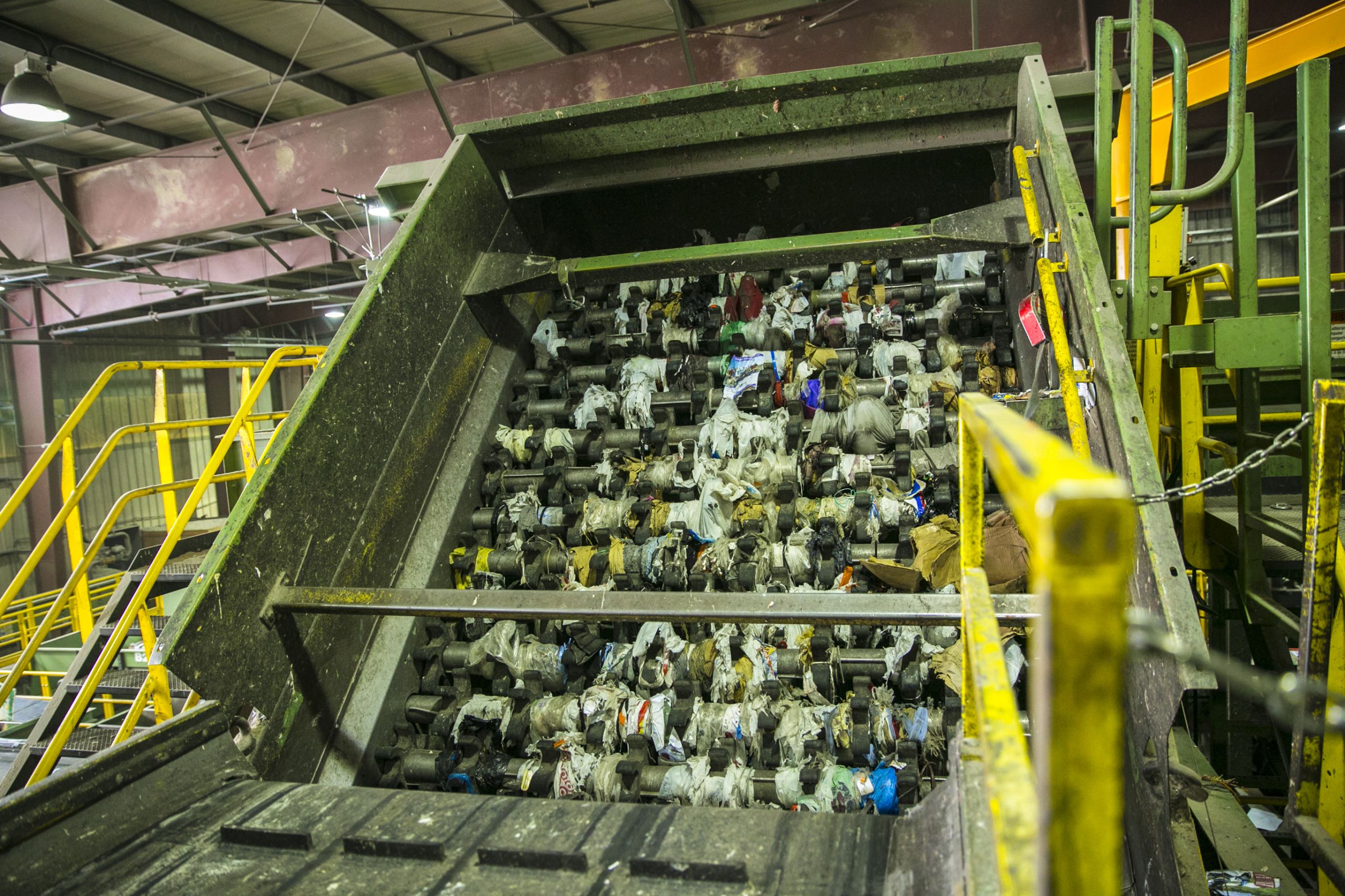
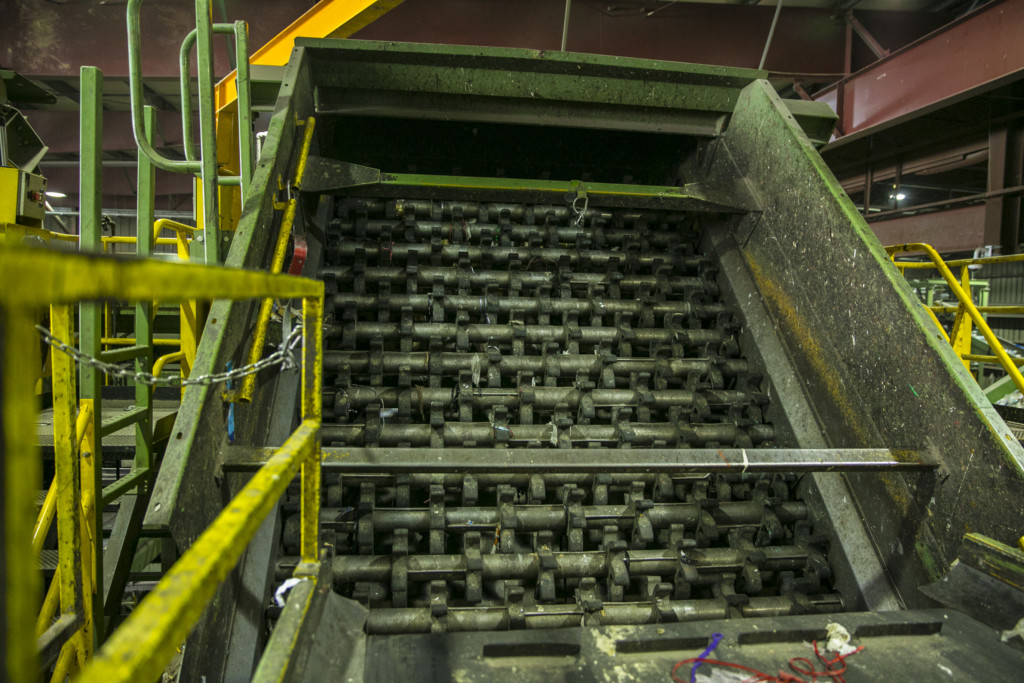
These materials wrap around the shafts of the facility’s rotating screens — equipment used to separate flat materials like paper and cardboard from three-dimensional containers. When tanglers accumulate, the screens become less effective and eventually forces a complete shutdown of the sorting line.
When this happens, workers must spend hours manually removing the tangled materials from the machinery’s shafts that are lined up on a steep incling with no place good to stand — a time-consuming and labor-intensive process. Use the slider on the photo below to see the screen before and after cleaning.
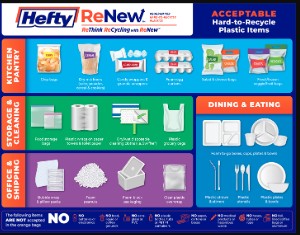
To recycle plastic bags use a Hefty orange ReNew bag. The ReNew bag is a way to recycle other plastics that are not otherwise accepted. These items, when not inside the ReNew bag must be sorted out, disposed in the landfill, and increase the cost of all recycling.
Before & After